
Lower costs
We perform pre-annotation with a trained model adjusted by engineers. By automating the zero-based labeling process, we suppress cost growth that would otherwise scale with data volume.

By bringing together AI, engineers, and annotators, we optimize annotation and quality control. We help you improve cost, quality, and lead time at the same time, even for large-scale data.
AI development projects
700+
Companies served
100+


CHALLENGES
Labeling costs have ballooned to 2-3x, putting serious pressure on budgets.
Even with more data, performance does not improve and accuracy reaches a ceiling.
Quality concerns force re-checks, causing delays in development schedules.
People and AI work together to streamline annotation and quality management
Continuous project optimization solves all three challenges at once
SOLUTION
At Nextremer, we take a Human-in-the-Loop approach where AI, engineers, and annotators work in close coordination. Rather than handing the annotation process over to AI alone, we create a cycle in which people and AI give feedback to each other. This can reduce data creation effort by up to 40%, enabling us to quickly build large datasets that meet high quality standards.
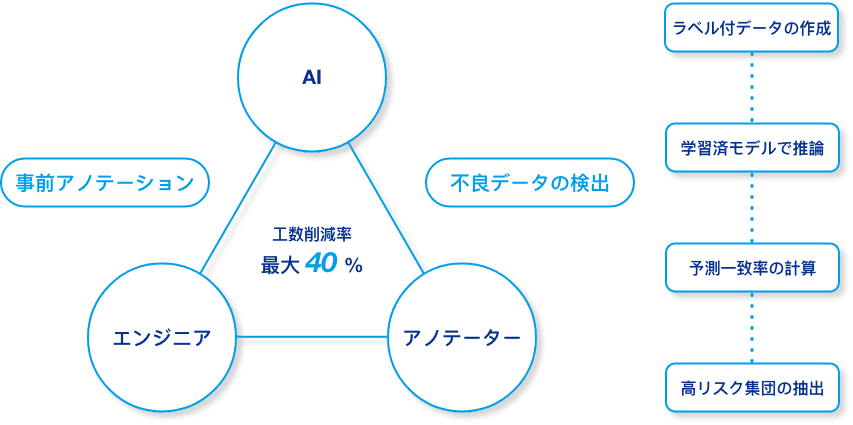
We perform pre-annotation with a trained model adjusted by engineers. By automating the zero-based labeling process, we suppress cost growth that would otherwise scale with data volume.
AI detects inconsistencies and noise in labeled data and quantifies risk. Annotators then focus on correcting high-risk areas, improving accuracy and reducing variation.
Collaboration between AI, engineers, and annotators speeds up the cycle of data creation and model improvement. That significantly shortens the time from project launch to target accuracy.
*The reduction rate varies depending on project size and environment.

REASONS
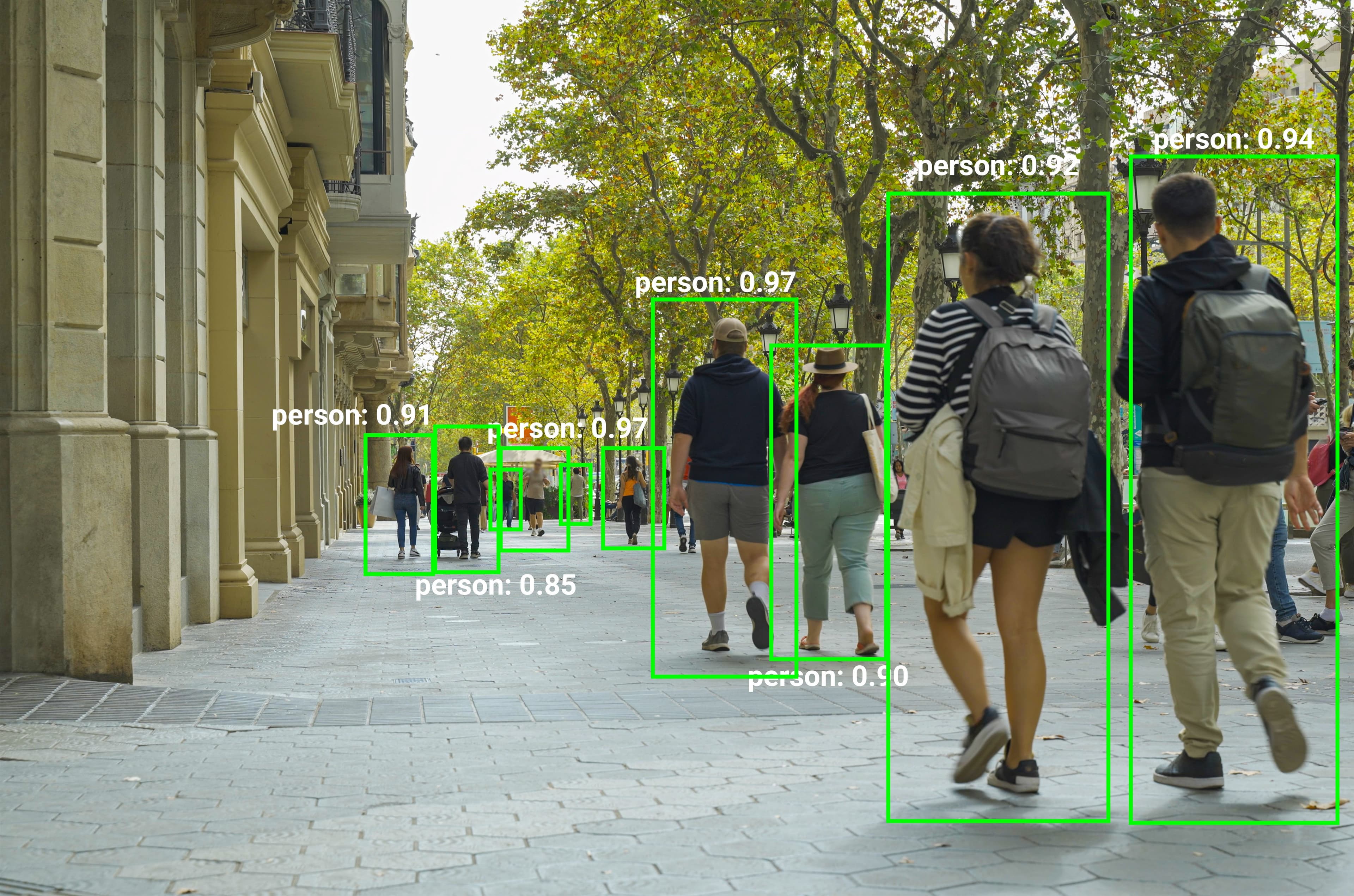
To improve the reliability of annotation work, we conducted joint research with the University of Tsukuba. Based on findings around standardization, guideline development, and reproducibility, we have built a quality management system that combines academic insight with field practice.
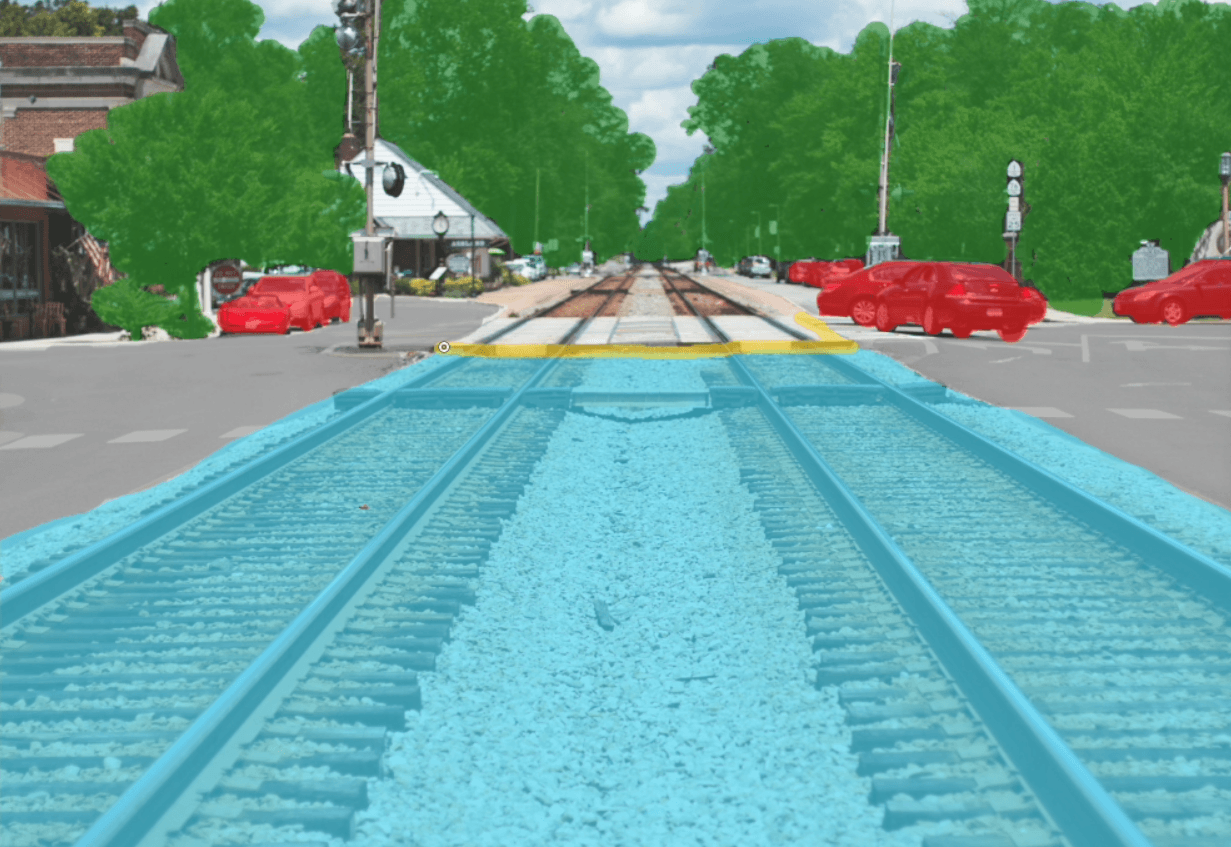
We do more than handle labeling. We join from upstream tasks such as specification design and environment/tool preparation. With a consistent process that advances each phase step by step, we provide solutions optimized for the customer's business challenges.
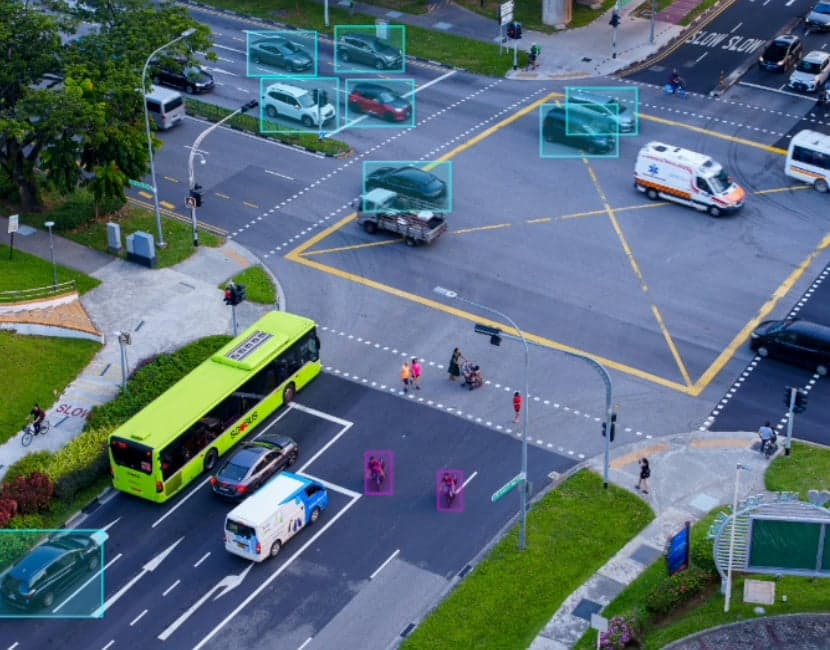
We adapt flexibly to unexpected cases that arise during annotation work. Instead of simply continuing with the original plan, we continuously update the specification documents and guidelines so that even special data can be used effectively.

Data and deliverables entrusted to us are used only for the relevant project. We do not repurpose them for our own products or services.
By limiting access to the minimum necessary people and monitoring logs, we store data securely and prevent information leaks.
Models trained on the relevant data, intermediate artifacts, and data no longer needed are promptly discarded once the project is complete.
PROCESS
CASE STUDIES
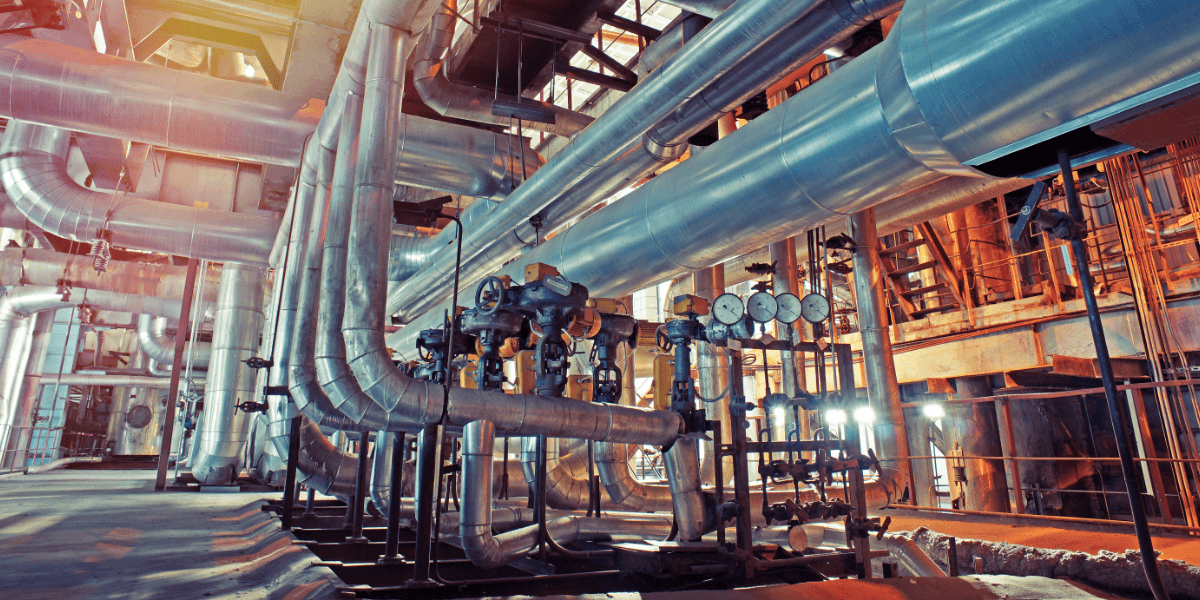
A project that delivered large-scale segmentation on a short timeline to improve the accuracy of image recognition AI. We processed a complex and difficult volume of image data quickly and with high precision through technical process redesign and a robust operating system, successfully balancing quality, scale, and speed at a high standard.
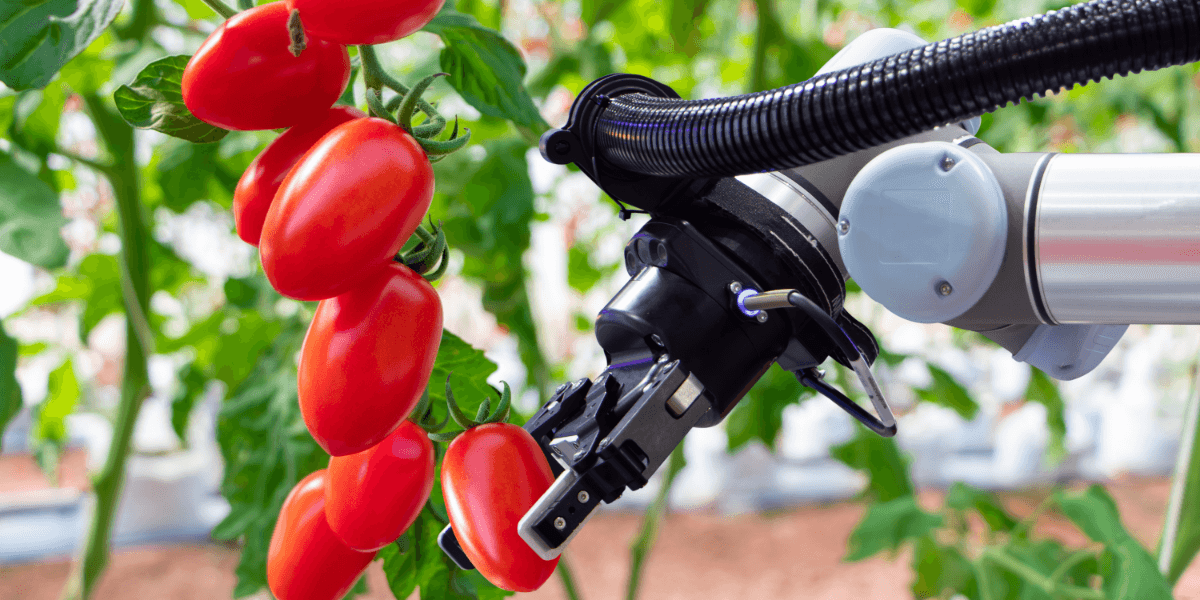
A project that supported crop detection improvement from specification design through annotation. Working closely with the client, we defined crop growth stages based on the state of each organ (petals, fruits, sepals, and more) and participated from the specification design stage with domain expertise, significantly improving detection accuracy.

A project that supported AI development including research, environment setup, and customization of annotation tools. To meet the requirement of annotating from multiple perspectives according to multiple specification documents, our engineers implemented a proprietary tool with adjusted settings and specs, significantly reducing effort and successfully delivering a high-density dataset.
CONTACT
Loading the contact form...